
Living here
Closing the cottage for winter and avoiding surprises in spring
Draining the plumbing, setting the thermostat, the vacancy clause in your insurance policy and clearing snow from the roof. These are the steps to follow before closing the cottage for winter.
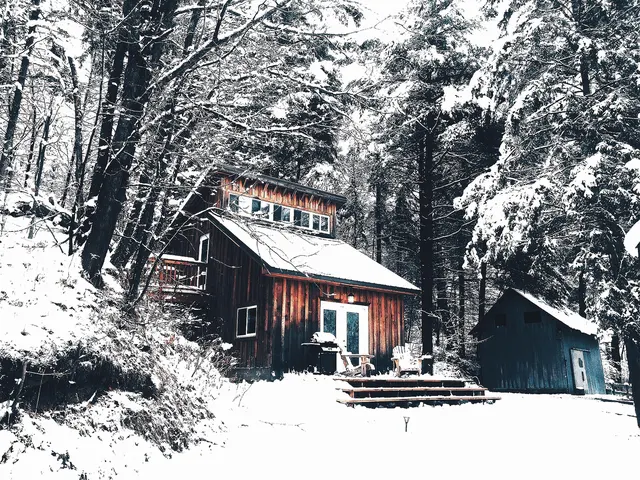
On Lac Simon, Lac des Plages or Lac de l'Argile, Thanksgiving marks the end of the season for many owners. The dock is taken in, the canoe is stored and the refrigerator is emptied. What makes the difference in April, however, depends mainly on how the water is managed and on the conditions of the insurance policy.
This article summarizes the guides published by CAA-Québec, Promutuel, the Insurance Bureau of Canada (IBC) and Québec's building authority, the Régie du bâtiment du Québec (RBQ).
The first decision: keeping the heat on or shutting off the water
There are two approaches, and both are valid.
Maintaining minimum heat. CAA-Québec recommends a thermostat set between 5 and 7 °C. Promutuel suggests about 10 °C during a winter absence, to protect the plumbing and control humidity. Given this difference, it is advisable to contact your insurer, since its recommendation is the one that applies.
Shutting off the water and draining the plumbing. Promutuel notes that even a heated cottage can freeze during a power outage. If no one will visit during the winter, draining the plumbing is the safer option.
Many owners combine both: minimum heat and drained plumbing.
Draining the plumbing, step by step
According to CAA-Québec and Promutuel:
- Shut off the main water supply.
- Open all taps, hot and cold, and blow out the lines to remove any remaining water.
- Drain the water heater through its drain valve, after turning off the power or the gas.
- Flush the toilet to empty the tank.
- Pour plumbing antifreeze into the toilet bowl and every drain: sink, shower and tub. CAA-Québec recommends about two cups per drain.
- Disconnect outdoor hoses, as recommended by the IBC.
Wells, pumps and water treatment systems vary from one installation to another. If in doubt, it is recommended to hire a plumber the first year and take notes, which will allow you to drain the system yourself the following year.
Insurance: the absence clause
This step is often overlooked, although it can lead to significant costs.
- The IBC explains that home insurance policies generally cover frozen pipes in heated areas when reasonable heat has been maintained. However, most exclude freezing and water damage when the home is vacant.
- The IBC recommends having the home checked every day or every two days during a winter absence in order to meet the conditions of the policy.
- Promutuel specifies that the insurer may require either regular visits to check the heating, or the water shut off and the plumbing drained. A cottage considered "vacant" is subject to different rules, and the insurer must be notified.
The number of days allowed varies from one policy to another. Review your policy for the terms "absence," "unoccupied" or "vacant," and contact your broker if the conditions are unclear. The same question applies if your insurer is based in Ontario.
It is advisable to record the dates of visits made by a neighbour or relative, in a notebook or by text message. In the event of a claim, you will then have proof.
Snow on the roof
In the northern part of the MRC, snow accumulates quickly and becomes heavier after a thaw accompanied by rain. The RBQ lists the signs of an overloaded roof:
- cracks in interior walls;
- interior doors that rub or stick;
- unusual cracking sounds;
- a ceiling that sags.
If you notice any of these signs, clear the roof, regardless of the amount of snow. The RBQ recommends hiring a specialized company with the appropriate equipment so that the membrane is not damaged. The temporary carport, shed and garage should also be monitored. Our article on snow services explains what to check in a contract.
Before locking the door
- Planned visits. A neighbour, family member or trusted person with a key can stop by regularly. Promutuel and the IBC both recommend this.
- An alarm system and camera, if available. Promutuel mentions both for second homes.
- Doors and windows locked. Promutuel notes this and recommends checking for humidity, odours and mould upon your return.
- A chimney swept at least once a year.
- The attic and gutters: the IBC suggests checking for frost in the attic and for ice dams along the eaves.
Renting the cottage in winter
Renting is a separate matter, since insurance for a rented cottage differs from that of a closed one. It is recommended to discuss this with your insurer before the first booking.
Sources
- CAA-Québec, closing the cottage
- Promutuel, getting your cottage ready for winter
- Promutuel, insuring a secondary residence
- IBC, winter safety and managing risk at home
- IBC, does my insurance cover damage caused by extreme cold?
- RBQ, clearing snow and ice from roofs
- Checked October 11, 2026.
Lac-SimonDuhamelLac-des-PlagesVal-des-BoisBowmanSaint-Émile-de-SuffolkMontpellierBoileau
Sources
The facts in this story come from these public sources. Every place and event mentioned has its own page, with its sources and the date it was checked. Legal notice
Links cited in the story
- caaquebec.com · caaquebec.com/fr/conseils/entretenir-une-residence/fermeture-du-chalet
- Promutuel Assurance Vallée de l'Outaouais, bureau de Saint-André-Avellin · promutuelassurance.ca/en/blog/getting-cottage-ready-winter-follow-our-guide
- Promutuel Assurance Vallée de l'Outaouais, bureau de Saint-André-Avellin · promutuelassurance.ca/en/blog/everything-you-need-know-about-insuring-secondary-
- bac.ibc.ca · bac.ibc.ca/protegez-vous/securite-en-saison/en-hiver
- bac.ibc.ca · bac.ibc.ca/principes-de-base-de-l-assurance/assurance-habitation/comment-gerer-l
- bac.ibc.ca · bac.ibc.ca/news-insights/in-focus/does-my-insurance-cover-damage-caused-by-extre
- Régie du bâtiment du Québec (RBQ) · rbq.gouv.qc.ca/salle-de-presse/les-nouvelles/nouvelles-detail/item/2025-02-26-co
Sources for the places and events mentioned
- Gouvernement du Québec, pêche sportive · peche.faune.gouv.qc.ca/RegPec/fr/Info/Reglements?Id_Zone=10
- Gouvernement du Québec, pêche sportive · peche.faune.gouv.qc.ca/RegPec/fr/Exporting/ExportGrillePdf?idZone=10&idSaison=22
- apls.ca · apls.ca/
- Lac-Simon (town) · lac-simon.net/loisirs-sports-et-culture/attraits-touristiques-et-installations/s
- Sépaq · sepaq.com/ct/sim/
- Tourisme Petite-Nation Outaouais · petitenationoutaouais.com/attraits/carte-des-debarcaderes-et-descentes-de-bateau
- Val-des-Bois (town) · val-des-bois.ca/entreprises-et-attraits-touristiques/attraits-touristiques/plans
- appla.ca · appla.ca/
Read next
Adjusting the site's display to your eyesight: text size, brightness and contrast
A Display button, available at the top of every page, lets you enlarge the text, turn on dark mode, increase contrast and choose an easier font.
Everything happening in La Petite Nation, brought together in one place
Weather, road conditions, collections, events and businesses: lapetitenation.ca quickly provides the answers you are looking for.
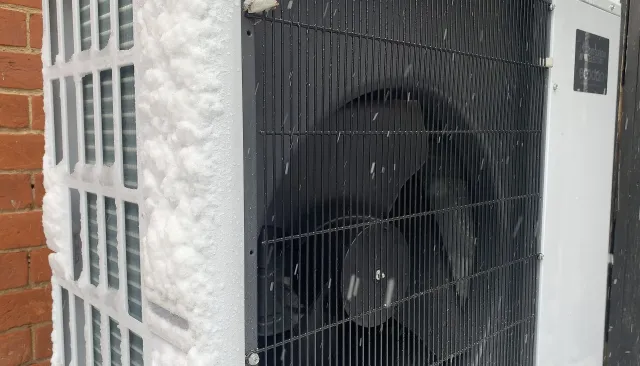
Installing a heat pump this fall: the rebates still available
The $5,000 federal grant that was widely discussed is no longer available. This fall, Hydro-Québec's LogisVert program provides the financial assistance. Ottawa has just announced a new program, which is not yet open.