
Culture & music
Manoir-Papineau and Louis-Joseph Papineau's legacy in La Petite-Nation
A four-towered manor, a chapel where eleven family members rest, a mill village in Plaisance and a grandson who became Papineauville's first mayor. Following the Papineaus.
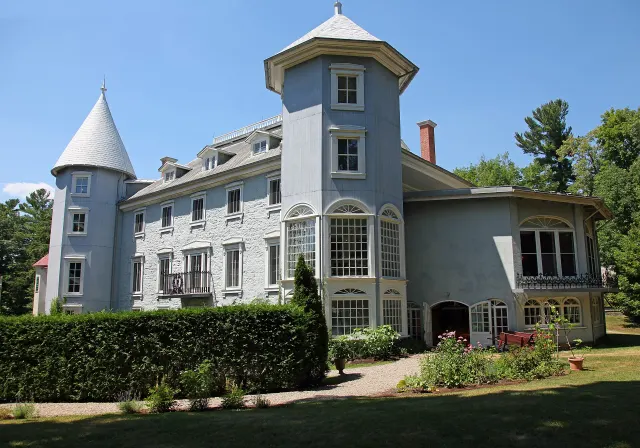
In La Petite-Nation, the Papineau name is everywhere. On the high school, on a village, on a 20 km return trail, even on a fatbike race. Plenty of people drive past without knowing where it comes from.
It comes from a seigneury, the old French land-grant system. And the best place to make sense of it is the manor in Montebello.
One seigneury, three generations
The story starts with Joseph Papineau, who bought the seigneury of La Petite-Nation. His son Denis-Benjamin led the settlement of the land from 1808. Then Louis-Joseph inherited it.
In the early 1800s, Joseph had a sawmill built beside the falls on the Petite Nation River in what's now Plaisance. A village grew up around it, North Nation Mills, and it kicked off the region's industrial era.
Meanwhile, the land was being divided up. In 1832, surveyor André Trudeau laid out the seigneury's lots, and he's one of the two Andrés (along with the saint) behind the name Saint-André-Avellin.
The family stayed in the picture. In 1896, Papineauville's first mayor was Henri Bourassa, Louis-Joseph's grandson.
The Manoir-Papineau, Montebello
The Manoir-Papineau National Historic Site is at 500 rue Notre-Dame in Montebello. It was Louis-Joseph Papineau's home: four towers topped with conical roofs, gardens, and the big red oak where the family used to gather.
Heritage
Manoir-Papineau National Historic Site
MontebelloLouis-Joseph Papineau's four-towered manor, its gardens and the big red oak where the family used to gather. Parks Canada opens it mid-May to…
Parks Canada opens it from mid-May to Thanksgiving. The 2026 season started May 16: Wednesday to Sunday, 10 a.m. to 5 p.m., in summer, then Saturdays and Sundays, same hours, in the fall. Last day: October 12. After that, you wait for spring.
New for 2026: an interpretation area on Cap Bonsecours. If you've been before, that's your reason to go back.
Culture
Manoir-Papineau National Historic Site season
MontebelloOn now until October 12, 2026Louis-Joseph Papineau's manor is open mid-May to Thanksgiving: Wednesday to Sunday in summer, weekends in the fall. A new outdoor…
On the grounds, keep an eye out for the outbuildings. The old brick granary with its little bell turret and the gardener's house, red brick with white trim, are part of the scene.
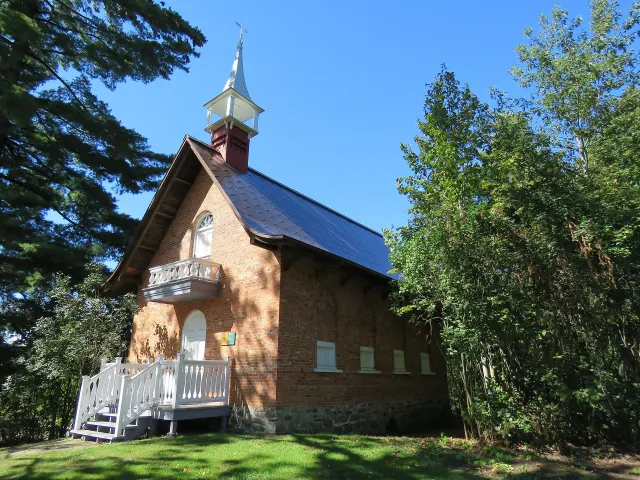
Our tip: go on a Saturday morning in early October, when the red oak starts to turn. Don't wait too long; the season ends at Thanksgiving.
The funerary chapel
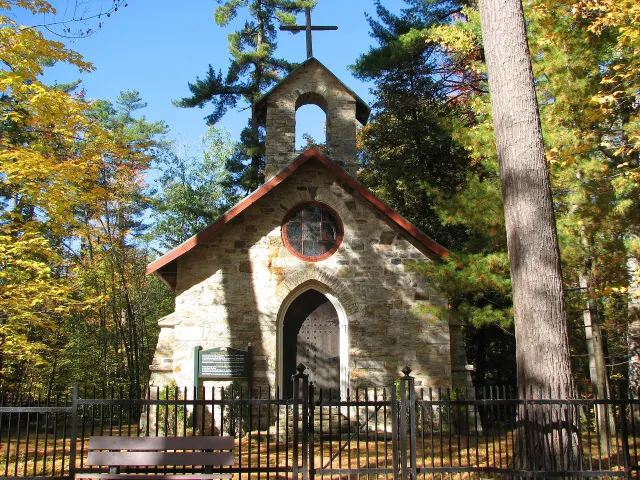
Set apart from the manor, among the estate's pines and maples, is a small Gothic Revival stone chapel. Papineau and his son built it between 1853 and 1855. It was rebuilt in 1933, and its vault holds eleven members of the family.
The funerary chapel can be visited by appointment with the Société historique Louis-Joseph-Papineau. A membership is $25 a year, if you feel like supporting them.
The village around it
The manor is on rue Notre-Dame, right in the village. Before or after, do the Montebello heritage walk: 25 houses and sites marked with interpretive stands, picked by the historical society and the local arts committee. With the Anekdote app, audio clips start on their own as you walk up.
The seigneury's name lives on around here, sometimes in unexpected ways:
- Le Bankeur, the village microbrewery, brews beers inspired by the seigneury of La Petite-Nation.
- Montebello Vélo de Montagne runs 30 km of trails over Papineau's old seigneurial lands, with views of the Ottawa River and century-old pines. Its big fatbike challenge is called the Fat Papineau.
- The Château Montebello golf course opened in 1929 for the private Seigniory Club. The name says it all.
Papineauville
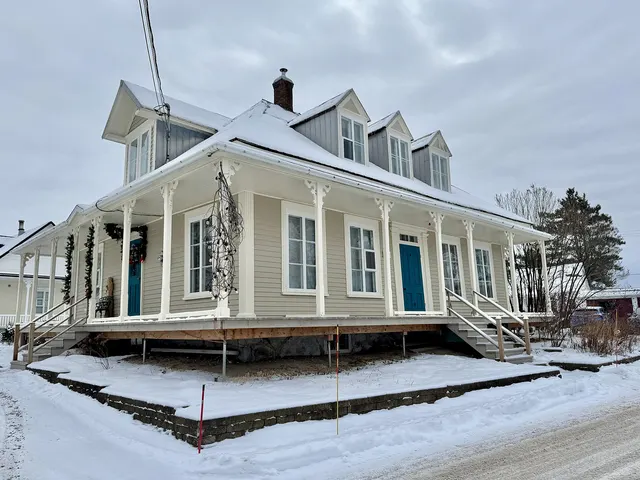
Just to the west, Papineauville carries the family name. Its heritage walk loops through the built heritage of a village closely tied to the Papineaus. The municipality provides the brochure.
Stop at Seigneurial Mill Park, under the bridge. It's the site of the old grist mill: you can see the stream and the mill ruins, plus a few works from the 2023 art symposium.
Parc Henri-Bourassa, in the middle of the village, honours the grandson who became first mayor. In summer, that's where Music Wednesdays happen.
 Illustration
Heritage
Seigneurial Mill Park
PapineauvilleUnder the bridge, on the site of Papineauville's old flour mill: a view of the creek and the mill ruins, plus a few works from the 2023 art symposium.
North Nation Mills, Plaisance
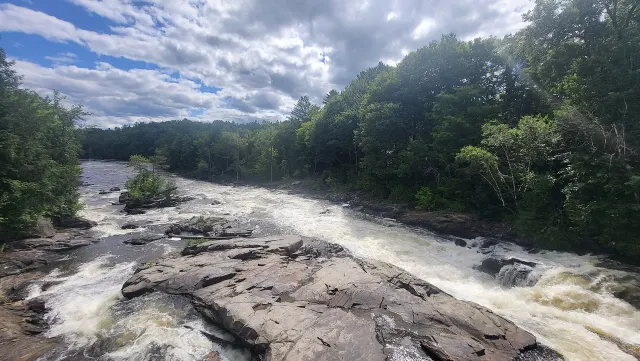
To see where it all started, head to the Chutes du Moulin in Plaisance. The Petite Nation River drops more than 35 metres, and all around are the remains of North Nation Mills, Joseph Papineau's mill village. Interpretive panels tell the story. A local corporation has protected the site since 1990, and the Sépaq runs it today.
Heritage
Chutes du Moulin and North Nation Mills
PlaisanceFalls of more than 35 metres on the Petite Nation and, all around them, traces of North Nation Mills, the mill village that kicked off the region's…
The Parcours Louis-Joseph-Papineau
To walk or bike through the old seigneury's countryside, the Parcours Louis-Joseph-Papineau links Saint-André-Avellin and Saint-Sixte: about ten kilometres of stone dust between woods and fields, with two lookouts. In winter it turns into cross-country ski and snowshoe trails.
At the Saint-André-Avellin end, the Pioneers Museum tells the village's story from the seigneury to the 21st century through more than 1,000 objects and 600 photos.
The whole circuit in one day
- Morning: the Manoir-Papineau and its garden, in Montebello.
- The Montebello heritage walk on foot, and lunch in the village.
- Seigneurial Mill Park in Papineauville.
- Finish at the Chutes du Moulin and North Nation Mills in Plaisance.
It's all close to Route 148. Off-season, the walk and the parks are still there, but the manor itself closes until spring.
MontebelloPapineauvillePlaisanceSaint-André-AvellinSaint-Sixte
Read next
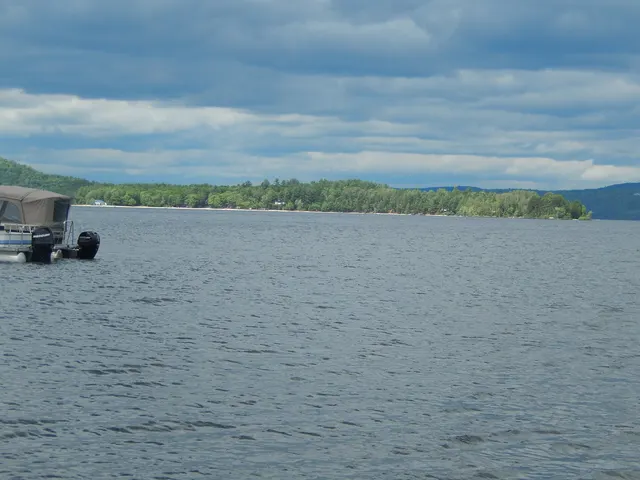
Our perfect summer day in La Petite-Nation, from market to beach
Ripon's Saturday market, a Chénéville picnic, a lifeguarded beach on Lac Simon, mini-golf, the lookout at golden hour and soft serve to finish the day.
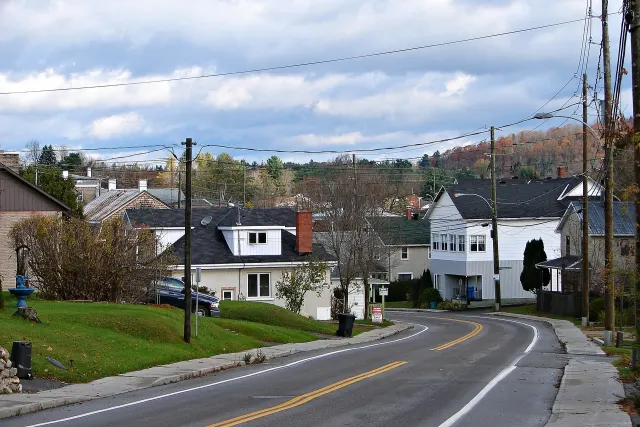
25 things to do in La Petite-Nation this fall
A Notre-Dame de Paris organist in Montebello, a square dance in Saint-Sixte, punk in Ripon and a hundred watercolours on Thanksgiving. Our list for October and November.
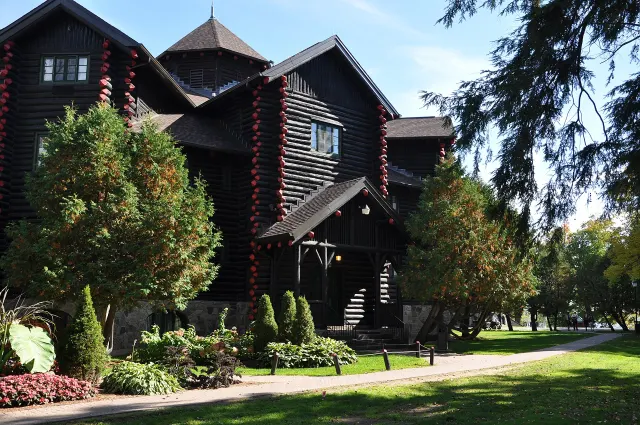
Where to stay in La Petite-Nation, from inns to teepees
A log château, an 1898 Victorian full of artists, an old post office, teepees next to the wolves. Our rundown of the ways to spend the night out here.